
A well-built home is not only defined by the things people notice first. The layout, finishes, square footage, and exterior style all matter, but many of the details that shape daily life are quieter than that. They show up in the way the home moves with the people living in it, how comfortable it feels through the changing seasons, and whether everyday routines feel easier or harder than they need to be.
Sometimes it is practical. A mudroom that catches boots, bags, and coats before they spread through the house. A pantry that makes weeknight cooking feel less crowded. Windows are placed for the way natural light actually moves through a room, not just symmetry on a blueprint. Other times, it is harder to point to. A room that always feels comfortable, a layout that makes sense without much thought, or a home that simply feels easy to settle into over time.
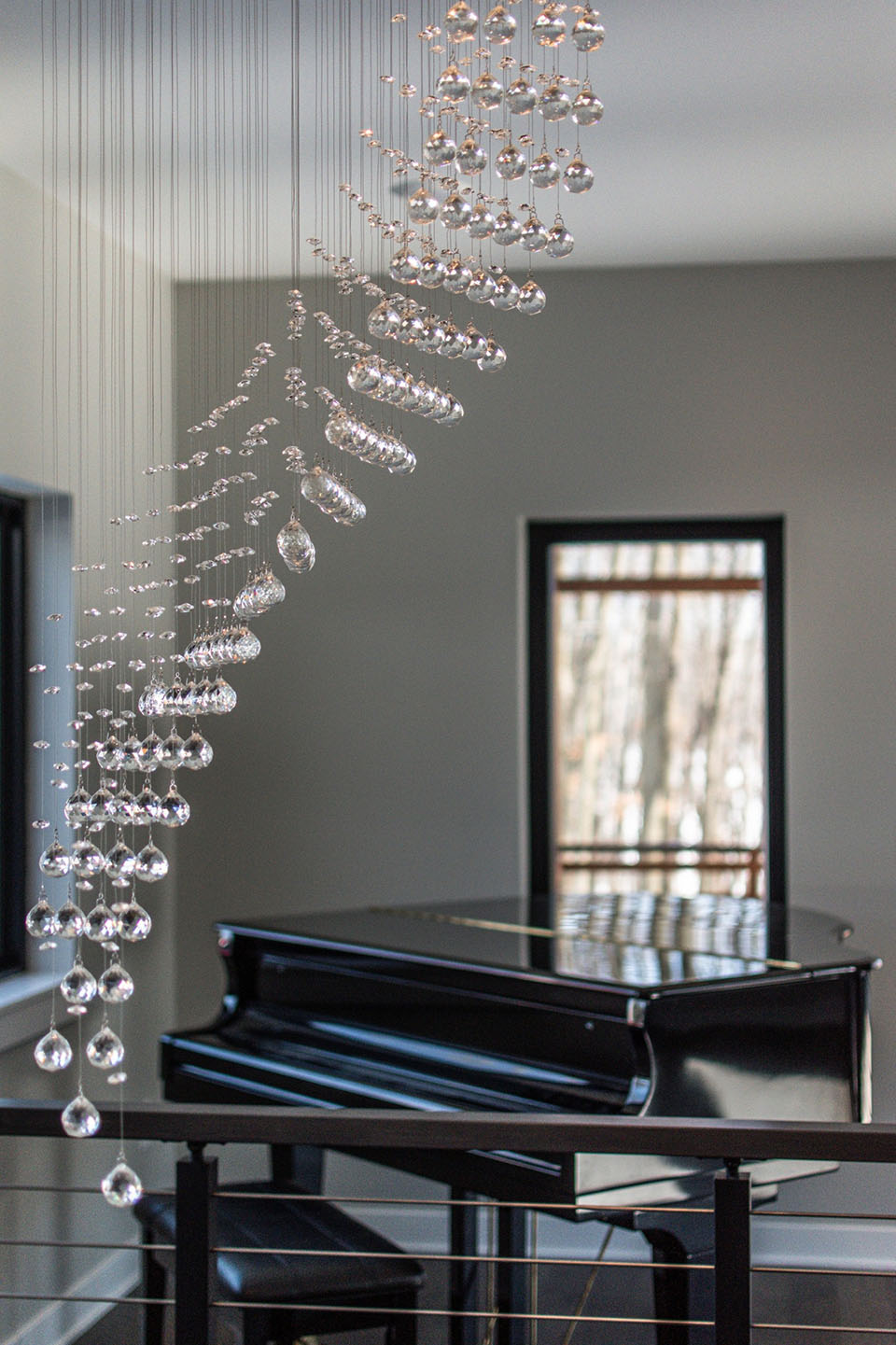
The Details That Make Daily Life Easier
Some design choices prove their value after move-in, when the home starts being used in real life. An outlet near the chair where someone always reads, a charging drawer that keeps the kitchen counter clear, closet lighting that makes mornings easier, or a deeper garage with room for bikes and seasonal gear can all make the home feel more settled.
These are the kinds of decisions that are easy to miss if the design process only focuses on the big pieces. A home can look beautiful and still feel frustrating if the little things were not thought through. When those details are considered early on, the home tends to feel more natural over time because everyday routines fit the space rather than competing with it.
That is part of what a thoughtful home design process should do. At P.E.A. Builders, we work closely with you to think through those smaller decisions early, helping shape a home around the way you actually live so the finished space feels personal, practical, and truly your own.
Sustainability Is Often Built Into What You Don’t See
Sustainable building does not always look like one obvious feature. Often, it is built into the home’s structure, materials, and systems. Insulation, air sealing, window quality, ventilation, heating and cooling, and the way sunlight moves through the rooms all affect how comfortable and efficient the home feels over time.
That matters in Wisconsin, where a home has to work through cold winters, humid summers, and plenty of weather in between. Strong, sustainable choices can help the home feel more consistent from room to room, reduce wasted energy, and support long-term comfort. The homeowner may not see every one of those decisions, but they feel the difference in how the home lives.
Storage, Light, and Layout Should Feel Intentional
Storage is one of the clearest examples of a small detail that can change the feeling of a home. A practical mudroom, a pantry designed around how the family cooks, linen storage near the bedrooms, built-ins that use an otherwise quiet wall, or garage space planned for more than parking can keep the home from feeling crowded too soon.
Light works the same way. Good window placement is not just about adding more glass. It is about bringing light into the right rooms at the right time, framing views that matter, and keeping comfort and energy performance in mind. A bright kitchen, a calm bedroom, or a living room that feels connected to the yard can change how people use and enjoy the home every day.
The Best Features Often Feel Like They Belong There
Some details matter because they quietly make everyday life easier. A bench near the entry where bags and coats naturally land, storage built around the spots that collect clutter, a small desk tucked into an otherwise unused corner, or materials chosen to hold up in the busiest parts of the house may not stand out at first, but they are often the things people appreciate most once they have lived in the home for a while.
This is also where the design-build process becomes valuable. At P.E.A. Builders, homeowners are part of those conversations as the home takes shape, including rough walkthroughs that give them a chance to see spaces before walls are closed up. It is an opportunity to think through outlet placement, lighting, storage, built-ins, sightlines, and the details that are much harder to adjust later.
Those walkthroughs matter because many of the choices that shape daily life are easier to understand when you are standing in the space itself. A good home is not built from assumptions. It is shaped through thoughtful planning, collaboration, and attention to the details that will matter years after move-in.
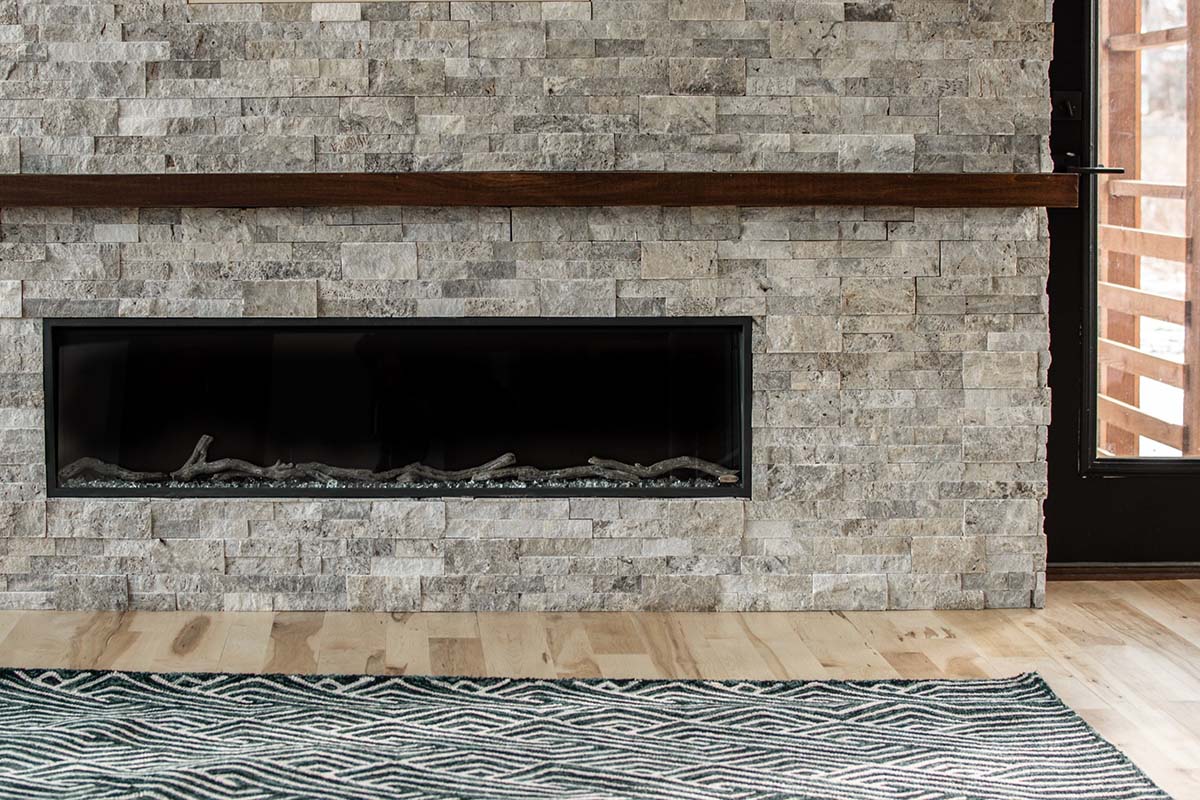
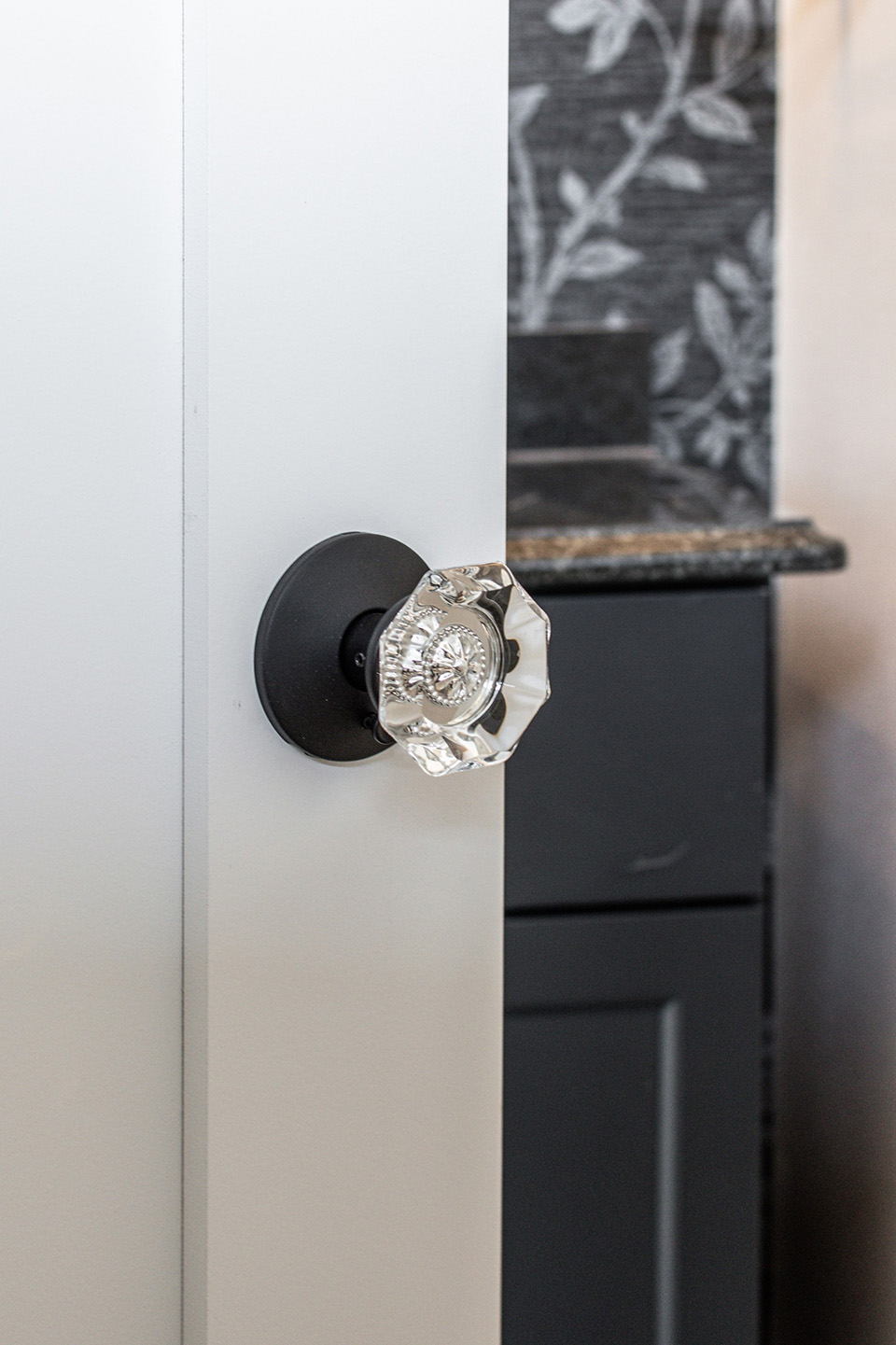
Thoughtful Details Change How a Home Lives
The small details behind a well-built home are not always dramatic, but they shape the way the home feels every day. Some are practical, some are beautiful, and some are hidden completely. Together, they can make a home feel calmer, more efficient, more personal, and better prepared for years of real life.
At P.E.A. Builders, our team looks at those details early because they are part of what makes a home last. A home should not only look finished when construction is complete. It should continue to feel considered, comfortable, and carefully built long after move-in day.
If you are curious about what goes into a thoughtfully built home or want to see how those decisions come together in real life, we are always happy to talk through our process or share upcoming home tour opportunities.