
Farmhouses were built to be used. Their rooms had to support the work of the household, the changing seasons, and the everyday mess that came in from outside. Kitchens made room for more than one pair of hands. Entries collected boots, coats, tools, and baskets. Materials were chosen with the expectation that they would age through years of use.
The form has changed with the way people live, but that practical spirit still matters. A modern farmhouse can have cleaner lines, larger windows, and spaces planned for today without losing the sense of usefulness that made older farmhouses so lasting. It should feel comfortable, capable, and closely tied to its setting.
More Than a Farmhouse Look
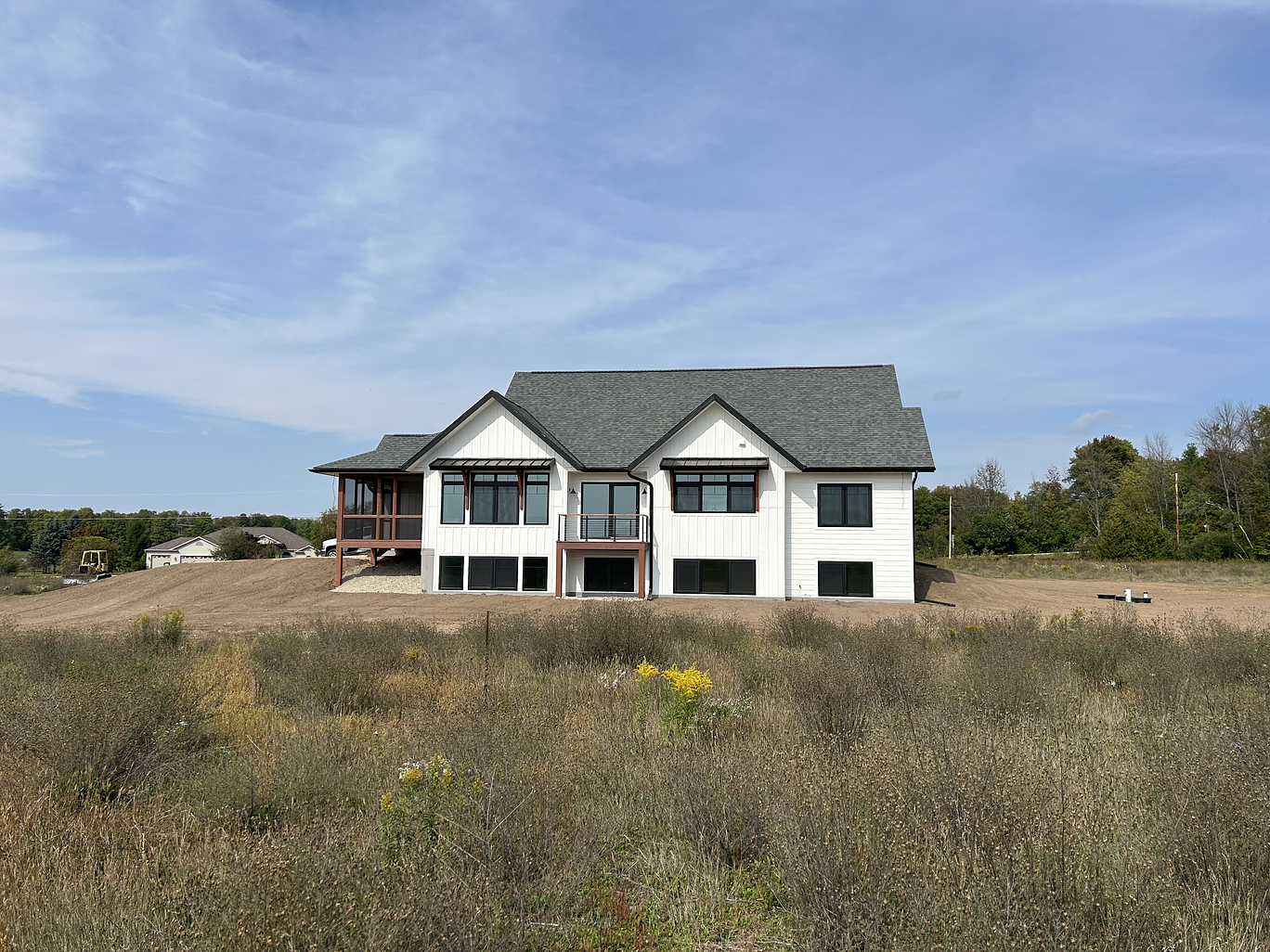
Modern farmhouse design has become easy to recognize. White siding, dark windows, gabled rooflines, and covered porches often come to mind first. Those elements can be beautiful, but they are not enough to give a home character.
What gives a farmhouse its character is the thought behind the plan. Rooms have a reason for being where they are. The entry offers space for wet coats, garden baskets, and whatever was carried in from outside. The pantry supports the kitchen instead of being treated as an afterthought. Windows bring daylight into the places where people spend their time rather than being arranged only for exterior symmetry.
Designed Around Daily Life
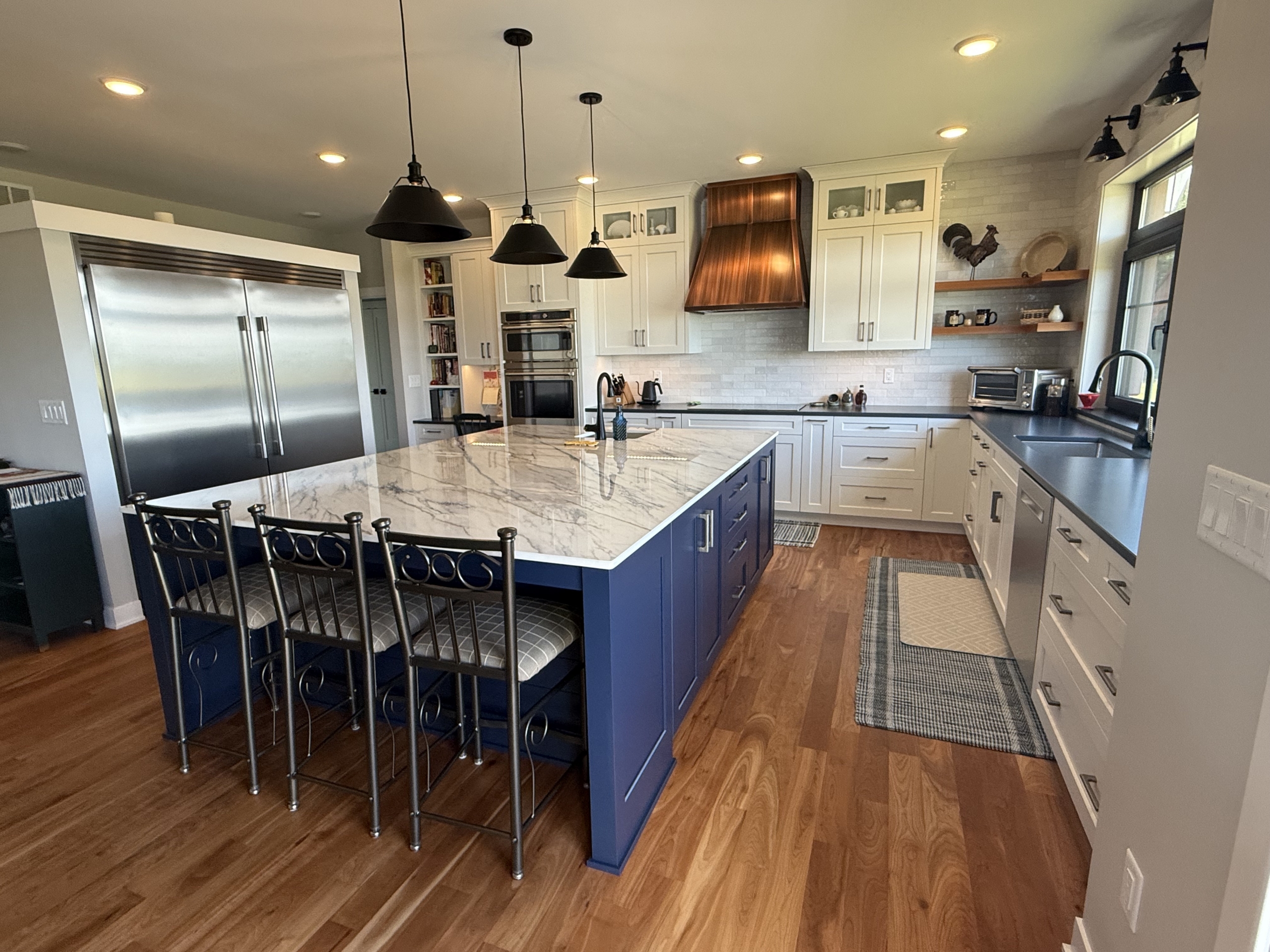
The kitchen often becomes the center of a modern farmhouse, but not simply because it is large or open. It is usually where daily routines overlap. Someone is making dinner while another person sorts through the mail. A guest sits at the island. Groceries land on the counter before they make their way into the pantry. The room works best when those ordinary moments have been considered from the start.
A large island may provide room for cooking, eating, and working, but its size should still fit the people using it. Storage should be close to where it is needed. Walkways should remain comfortable when several people are moving through the room. A mudroom should have space for the things that come with outdoor living without turning into a passageway crowded with gear.
Our Door County farmhouse project grew from very specific parts of the homeowners’ lives. They planned to retire on the property and create a hobby farm. They also make award-winning mead, so the home needed a dedicated production area with finishes that could handle the work.
The kitchen included a large island, generous cold storage, and an easily reached pantry. Those choices were not added because they belonged on a farmhouse checklist. They belonged because they made sense for the people who would live there.
Materials That Can Be Lived With
Living in a farmhouse means choosing materials that do not mind being lived with. The surfaces are expected to age naturally; wood matures and deepens, while metal finishes gradually soften with time. Over the years, floors may collect the quiet evidence of pets, shared meals, and routine activities. Rather than something to be avoided, this wear gives the home depth and reflects the life it was built to support.
Natural materials are often a good fit for modern farmhouse design because they bring warmth to simple forms. Wood flooring can soften an open room. Stone or concrete can give a space a sense of weight. A copper hood becomes more interesting as its surface changes. Cork feels comfortable underfoot and brings a quieter texture to a lower-level room.
Material decisions are an important part of our design process. We think about appearance, but we also consider where a material will be used, how it will feel, how much care it needs, and what it may look like years from now.
A Modern Farmhouse Built for Wisconsin
A home in Wisconsin has to handle more than temperature changes. On an open property, wind can move across the land with little to slow it down. Snow needs somewhere to collect. Spring brings mud, water, tools, and outdoor work back into the daily rhythm of the house. The straightforward shape of a farmhouse can help. Covered entries create a better transition from outside. Durable floors and useful storage keep work areas from spilling into the rest of the home. A simpler exterior form can also reduce unnecessary complexity and make it easier to build a well-insulated, efficient structure.
A Familiar Home Made Personal
A modern farmhouse remains meaningful because it can be generous without being showy, hardworking without feeling plain, and open without losing its sense of comfort.
In one home, that might mean a long table where meals stretch well past dinner. In another, it could be cold storage for garden produce, a workroom for making mead, or a covered place to pause before coming in from the field. These are not features pulled from a style guide. They come from the life the home is being asked to hold.
A modern farmhouse feels most convincing when it is shaped by real routines, real land, and materials that do not mind being lived with. If you are beginning to imagine a farmhouse that reflects the way you want to live, we would be glad to start that conversation with you.