One of the biggest concerns homeowners have when planning a custom build is cost, especially when energy efficiency enters the conversation. There is a common assumption that building an energy-efficient home will push the budget far beyond a standard stick-frame build.
In reality, when working with P.E.A. Builders, the difference is often closer to five percent. That small increase is not tied to luxury upgrades or add-ons. It comes from building the home with better materials, tighter systems, and more thoughtful planning from the start. Over time, that difference is often made up through lower energy costs, fewer performance issues, and a home that holds up better year after year.
What the Extra Cost Really Covers
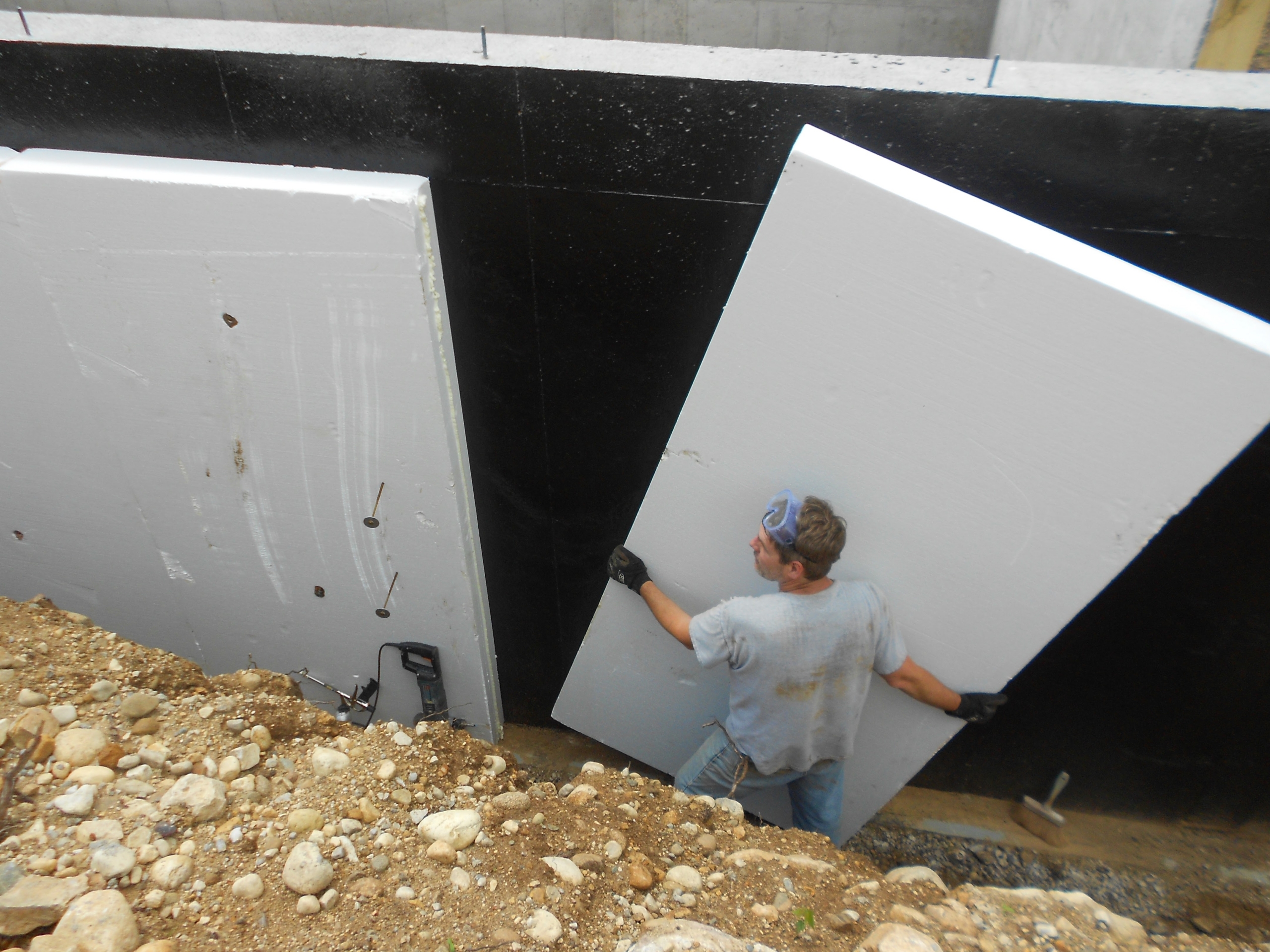
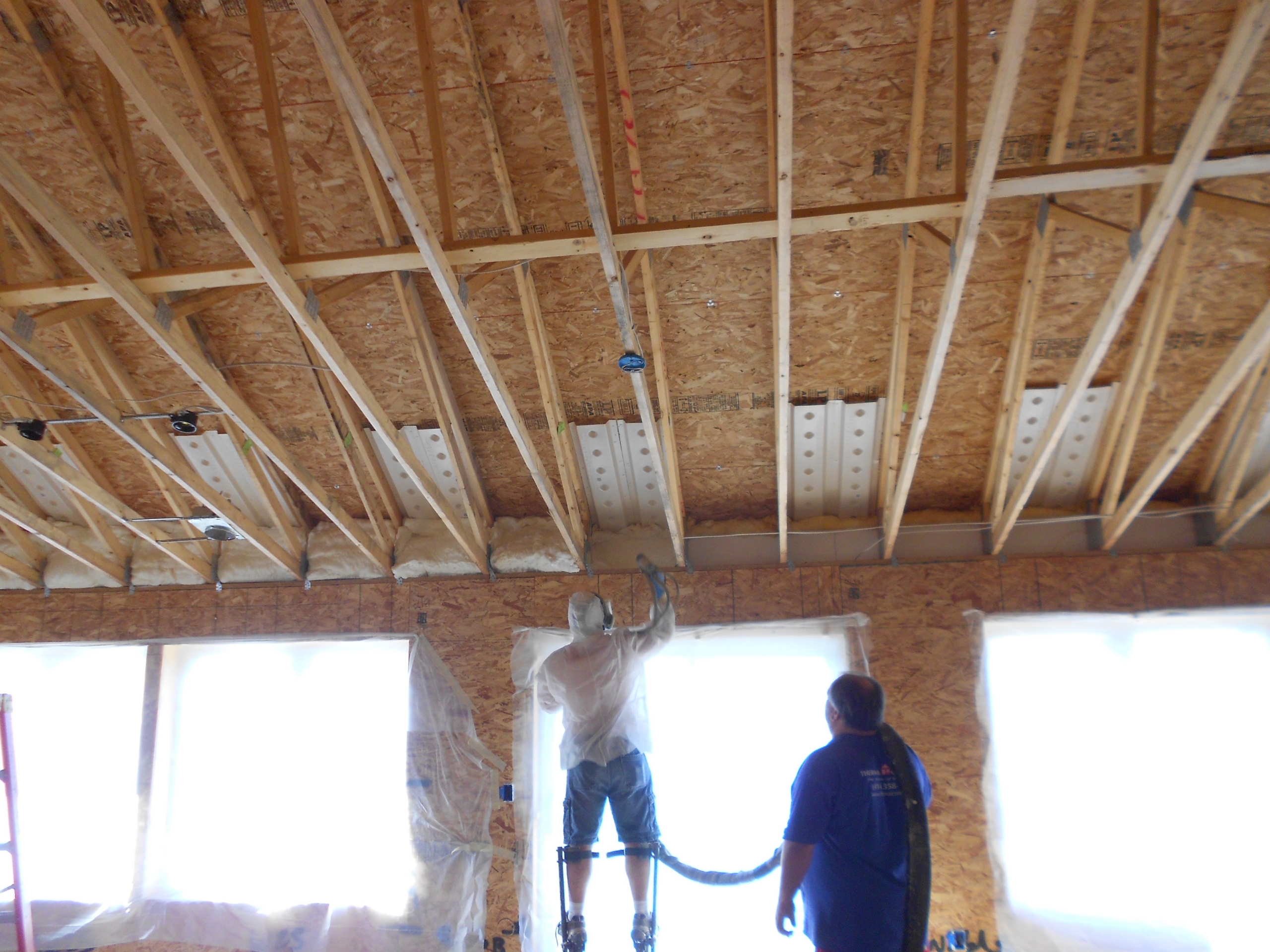
When people think about energy-efficient homes, they often picture upgrades like solar panels or high-end systems. In reality, most of the cost difference comes from how the home is built from the beginning. That includes better insulation, tighter air sealing, higher-quality windows, and more thoughtful planning around how the home sits on the lot.
It may also include heating and cooling systems that are properly sized and designed to work with the structure instead of against it. These are not surface-level upgrades. They are built into the home itself and affect how it performs every day, from how it holds temperature to how much energy it uses.
Where Standard Construction Falls Short
A typical stick-frame home is built to meet code requirements, which set a minimum standard. While that is enough to pass inspection, it is not always designed for long-term efficiency or comfort. Homes built this way can allow more air leakage and tend to have less consistent temperatures from room to room.
That is often when homeowners start to notice certain areas that feel drafty in the winter or harder to cool in the summer. These issues are not always obvious during construction, but they tend to show up once the home is lived in through a full cycle of seasons. Over time, that can lead to higher energy use and a home that feels less consistent day-to-day.
How the Long-Term Costs Compare
The upfront difference of about five percent can feel significant during the planning phase, but the long-term picture often looks different. A well-built, energy-efficient home holds heat better in the winter and stays cooler in the summer. That means heating and cooling systems do not have to work as hard, which can lead to lower monthly utility costs and less wear on equipment.
While the savings may not feel dramatic right away, they build over time. More importantly, the home tends to feel more stable and predictable in its performance. That consistency is something homeowners often notice long before they calculate the exact energy savings.
Comfort and Performance Matter Too
Energy efficiency is not just about reducing utility bills. It also directly affects how the home feels to live in. Homes built with better insulation and air sealing tend to have fewer drafts and more even temperatures throughout the space. That can make a noticeable difference during both cold winters and warm summers.
There is also a durability factor to consider. Building with efficiency in mind often leads to better construction practices overall. Stronger materials, tighter systems, and more attention to detail can help the home hold up better over time. In many cases, that also supports long-term value as buyers become more aware of how a home performs, not just how it looks.
Why It Makes Sense to Plan for It Early
One of the biggest advantages of building a custom home is the ability to make these decisions at the start. It is much easier and more cost-effective to build for energy efficiency up front than to upgrade a home later. Once the walls are closed up, many of those opportunities become harder or more expensive to address.
At P.E.A. Builders, we treat energy efficiency as part of the overall design process. That allows us to focus on the areas that make the biggest difference without overcomplicating the build. Not every home needs every upgrade, but every home benefits from a thoughtful approach to its construction.
Is the Extra Cost Worth It?
For many homeowners, the decision comes down to priorities. If the goal is to keep upfront costs as low as possible, a standard build may seem like the easier choice. If the goal is long-term comfort, lower energy use, and a home that performs well in every season, the small increase upfront often makes sense. The difference is not just about cost. It is about how the home feels to live in over time. An energy-efficient home is typically quieter, more comfortable, and more consistent in its response to the weather.
Building With the Future in Mind
An energy-efficient home does not have to be complicated or push the budget far beyond a standard build. In many cases, a modest upfront increase leads to better comfort, durability, and performance over the life of the home.
Our sustainable homebuilding team at P.E.A. Builders helps homeowners understand those tradeoffs so they can make informed decisions. The goal is not to add everything possible, but to build a home that works well, feels right, and holds its value over time.